Looking for Specifications and CAD Details?
Find the perfect solution for your project here:
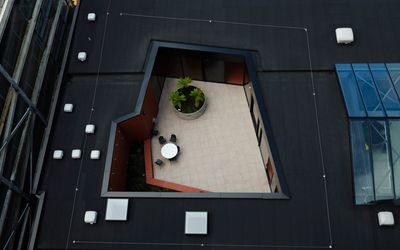
Roof
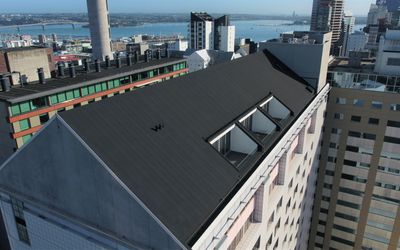
Choose a bulletproof, double layer system or a sleek single layer TPO system.
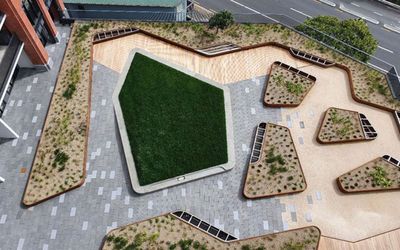
Deck
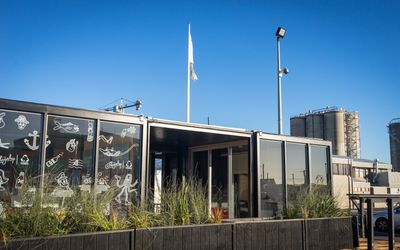
Create a floating deck using tiles or timber on a new or over an existing substrate.
.JPG)
Tanking
Robust waterproofing of basement walls, foundations and under the floor slab.
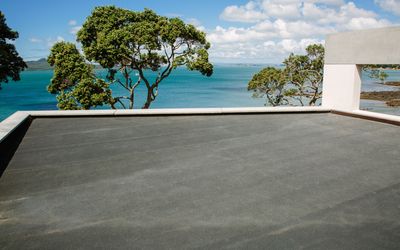
Roof Renewal
Renew and improve your existing membrane or metal roof.
What is the finished look you desire?
Review Details
Add your email address below to access details.
Supply details
Please complete your details to access downloads.
Review details
Access confirmed
Would you like specs for anything else?
Roof
Choose a bulletproof, double layer system or a sleek single layer TPO system.
Deck
Create a floating deck using tiles or timber on a new or over an existing substrate.
Tanking
Robust waterproofing of basement walls, foundations and under the floor slab.
Roof Renewal
Renew and improve your existing membrane or metal roof.
Contact Nuralite
Please contact us to discuss this project.
Our technical team are available on:
0800 NURALITE (0800 687 254)
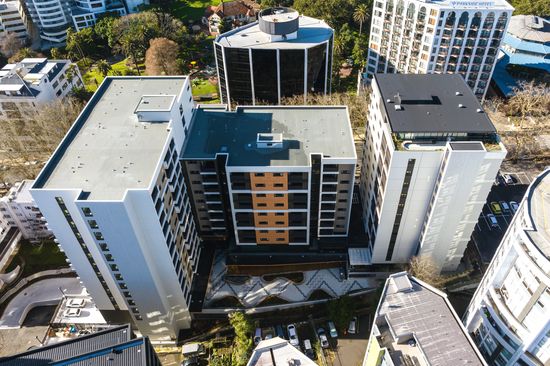
Cost Conscious Design
Nuralite believe that true “value engineering” occurs at the design stage and that it is never too early to engage with us.
With over 57 years of knowledge on best practise waterproofing and design methods, we would love to share our expertise to ensure your projects come to fruition.
We are happy to assist with plans and to work with you to come up with the most cost effective system solutions. Request a meeting with one of our architectural team!
Find Out MoreSetting the standard for both commercial and residental roofing, Nuralite have worked alongside specifiers and installers to deliver robust membrane systems for the past 57 years.
Within the industry, we have steadily pioneered new technologies and solutions for New Zealand conditions.
We embrace innovation, rigorous testing and draw on decades of experience. Nuralite is proud to be known as the experts in membrane waterproofing and warm roofs.

Our recommended roofing system to optimise a commerical building and reduce energy usage.


Learn about how we reduced our carbon as a company.

Solutions for You
See how our system solutions can meet your project requirements.
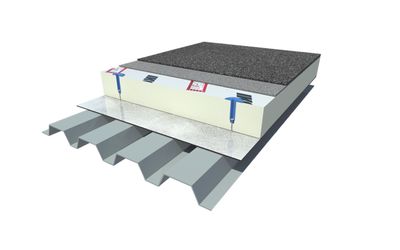
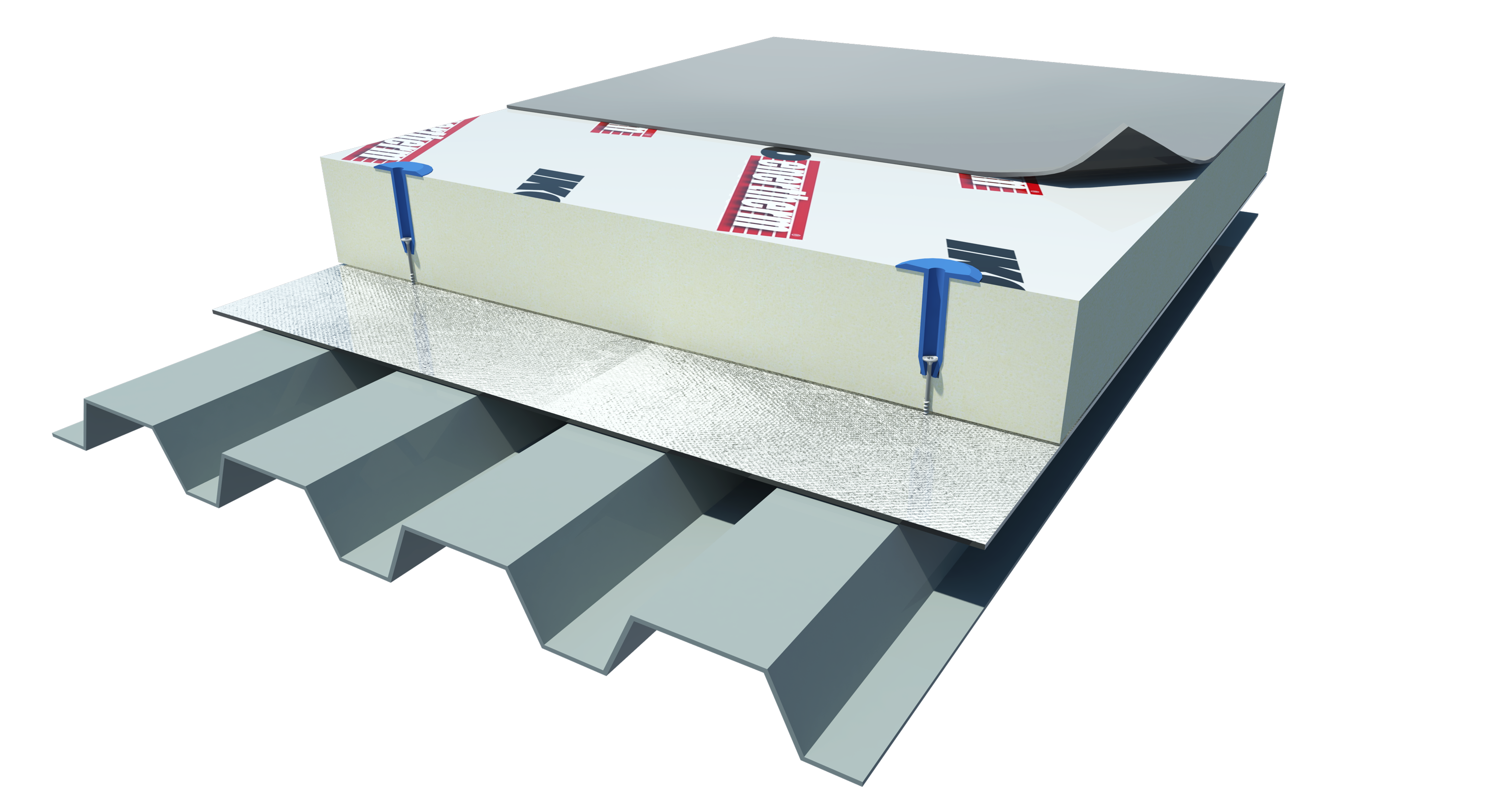
Nuratherm Warm Roof
A flat roofing solution that combines bulletproof waterproofing membranes with optimal energy efficiency and thermal performance.
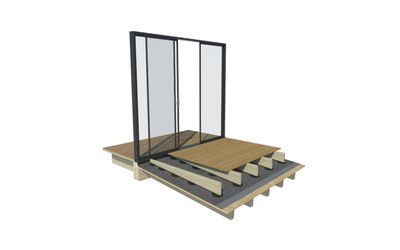
Decks
Floated outdoor decks in timber and tile options. Compatible solutions for both the membrane and the Nurajack deck pedestals.
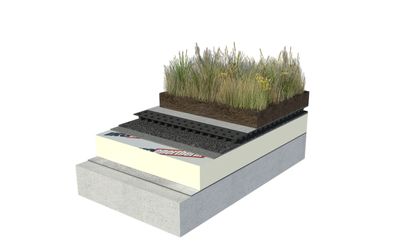
Green Roofs
A dedicated system for living or green roof designs. Waterproofs and futureproofs the drainage of your specific green build-up.
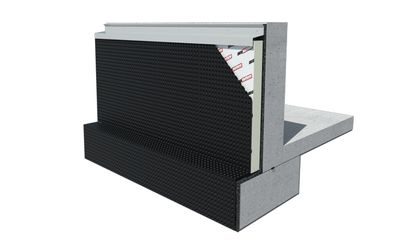
Tanking
Membrane systems for below grade waterproofing, preventing moisture ingress to basements, slabs and retaining walls.
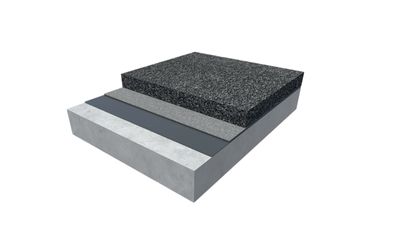
Carparks
A heavy duty bituminous membrane and surface solution that can handle vehicular traffic and allow for building movement.
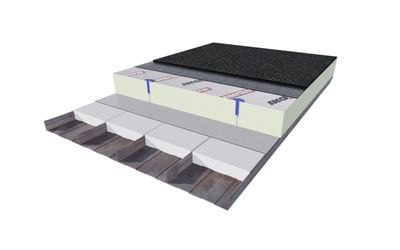
Roof Renewal
Overlay existing membrane or metal tray roofs with a robust membrane or warm roof solution. Providing an option to refresh tired roofs on their existing substrates.
Join our NZIA accrediated webinars featuring industry insights & discussion sessions.
On a Mission to Reduce Our Carbon
Our Sustainability Action
We are a market-leading supplier in the construction industry. So we must take up the climate change challenge by being a leader in the fight against carbon pollution.
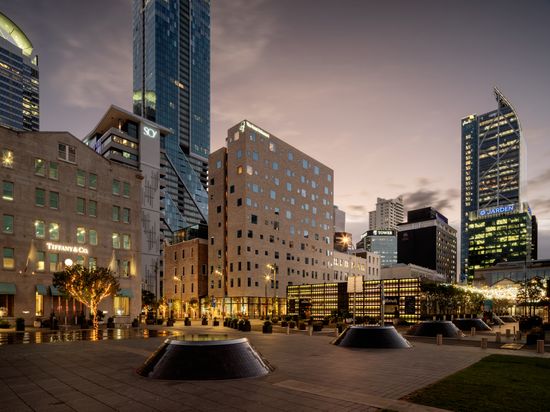
Work with a company with 50+ years experience
Membrane waterproofing is not hard not when combined with Nuralite's range of system solutions and experienced team of experts.
Using world leading products, Nuralite can work with you on any project, large or small, to develop a complete waterproofing membrane system.
Learn About Us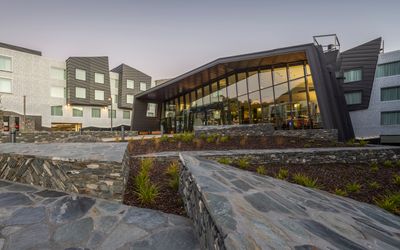
.JPG)